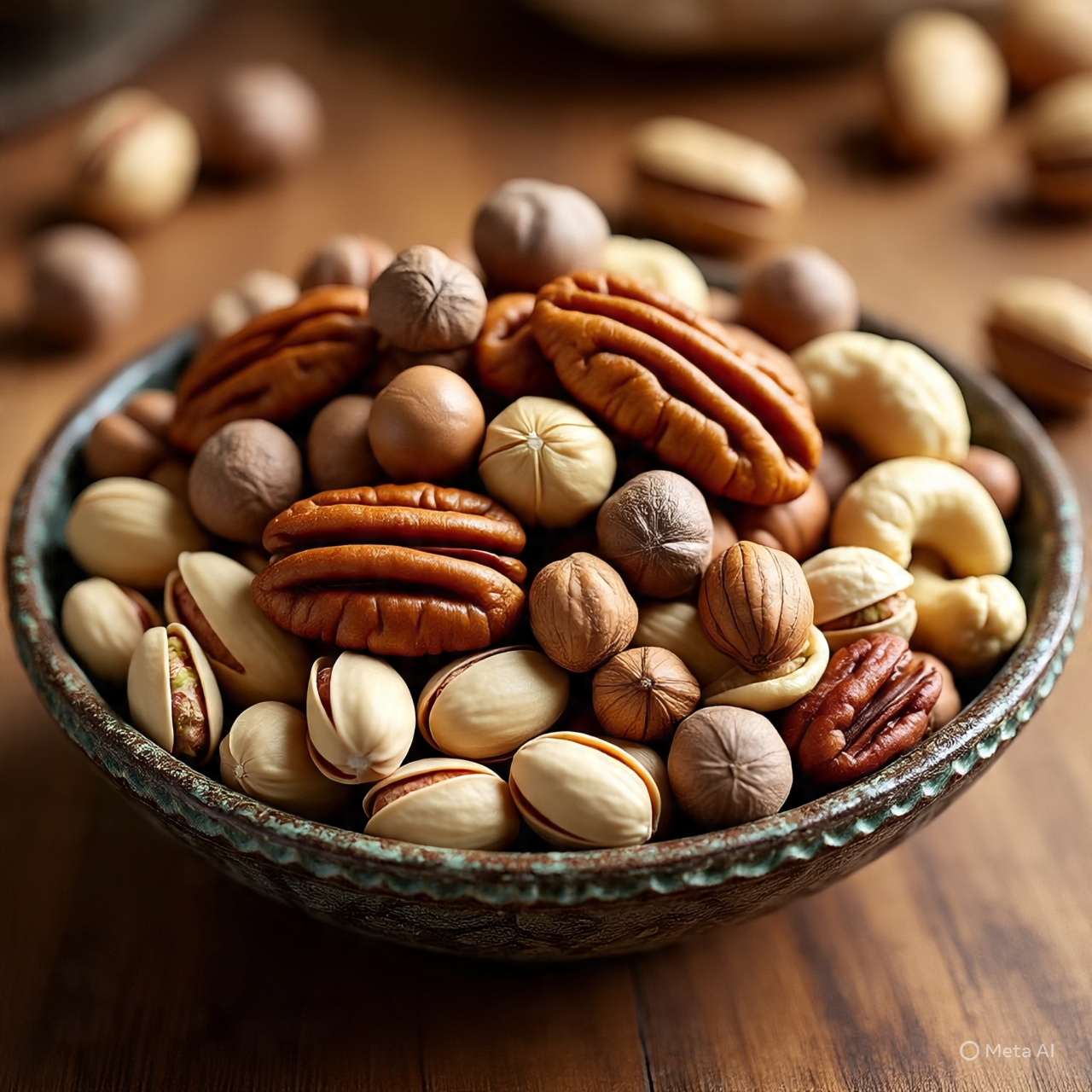
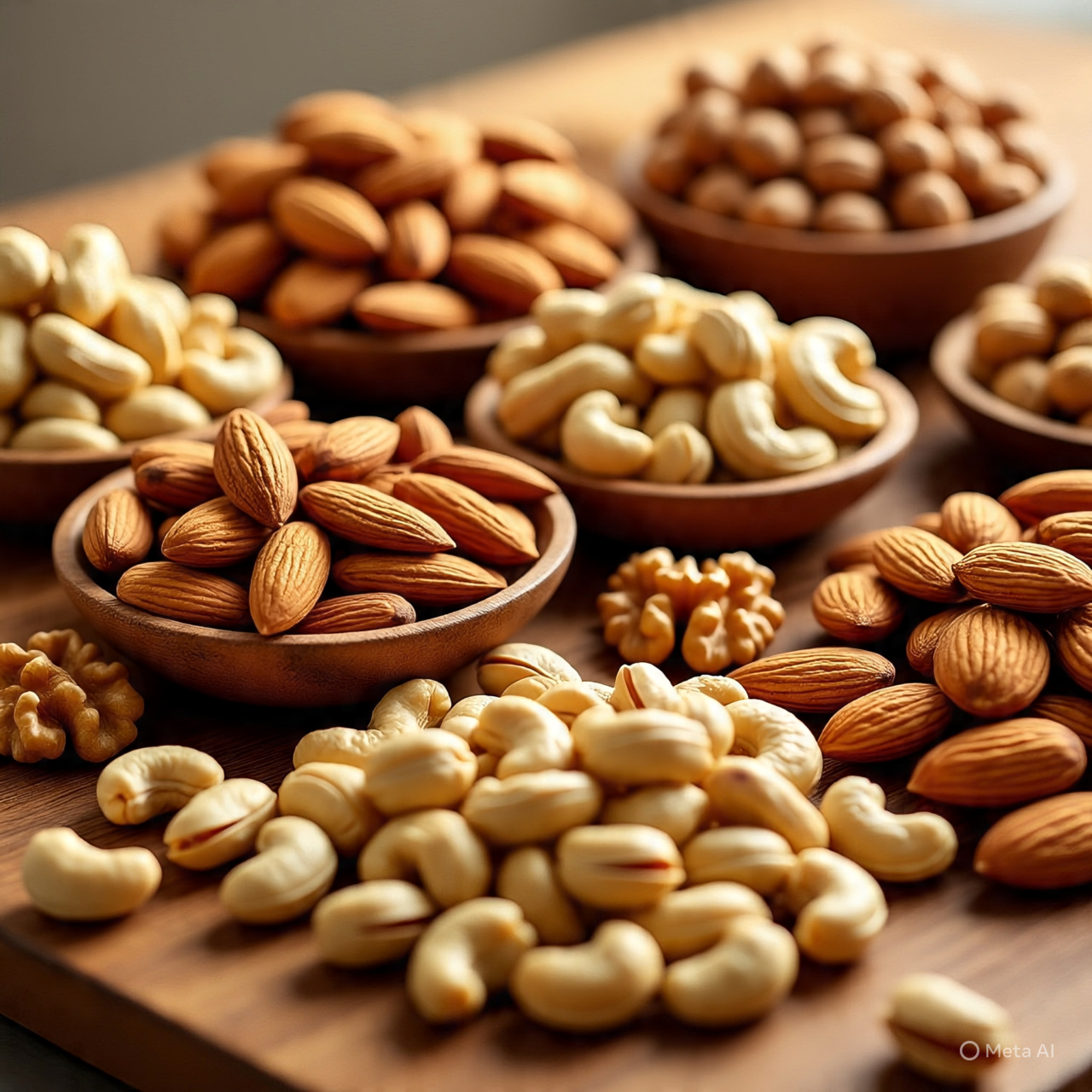
Nuts are a delicious and nutritious snack that can provide a range of health benefits. Here are some interesting and little-known facts about different types of nuts.
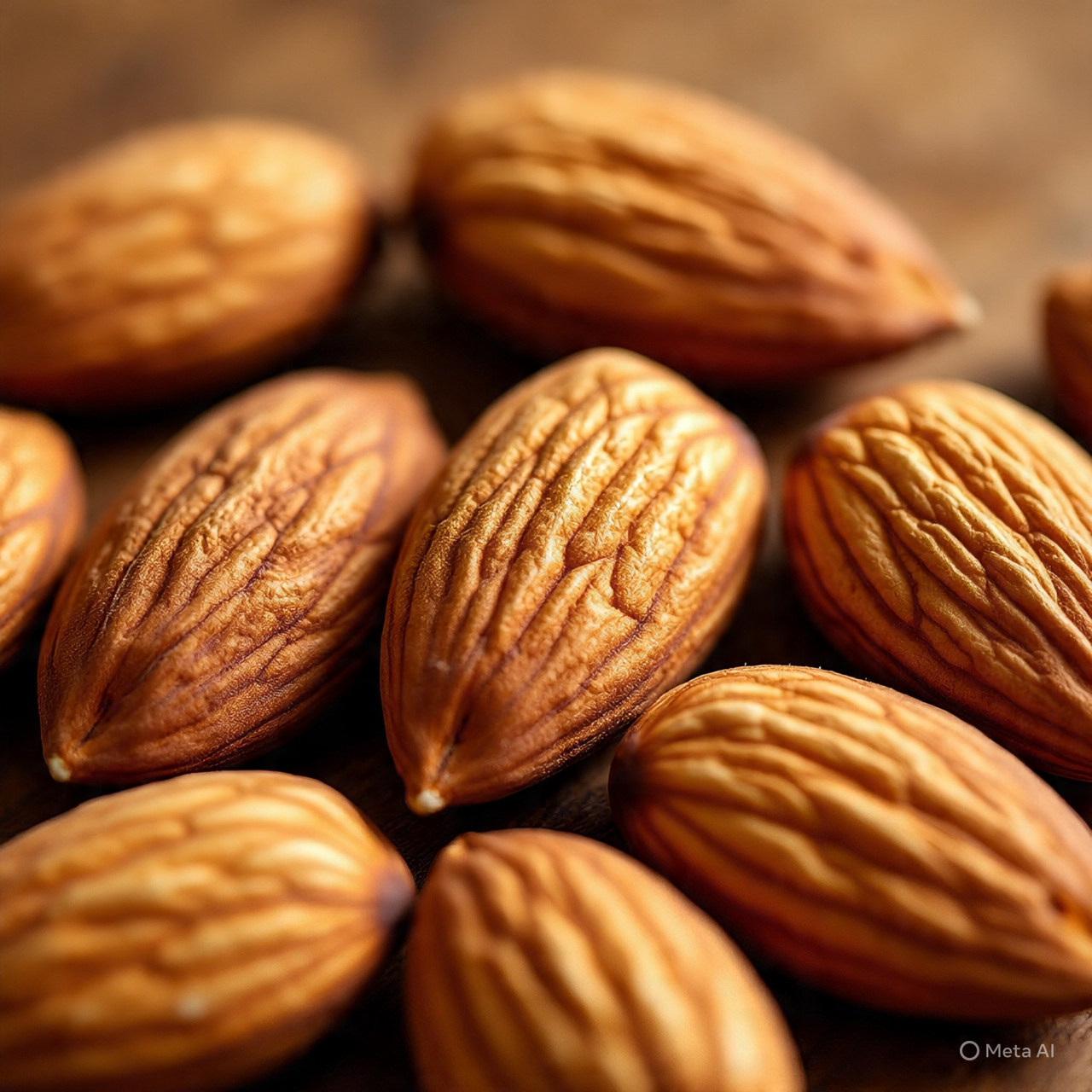
Almonds
Almonds
- *Nutty Fact*: Almonds are native to the Middle East and have been cultivated for over 4,000 years.
- *Nutritional Powerhouse*: Almonds are rich in vitamin E, magnesium, and healthy fats, making them a great snack for heart health.
- *Did You Know?*: Almonds are a member of the rose family and are related to peaches and apricots.
- *Almond trees are a symbol of fertility*: In ancient Greek and Roman cultures, almonds were associated with fertility and abundance.
- *Almond milk is a popular dairy substitute*: Almond milk is a popular plant-based milk alternative made by blending almonds with water.
- Almonds contain a high amount of antioxidants, which can help protect against oxidative stress and inflammation in the body.
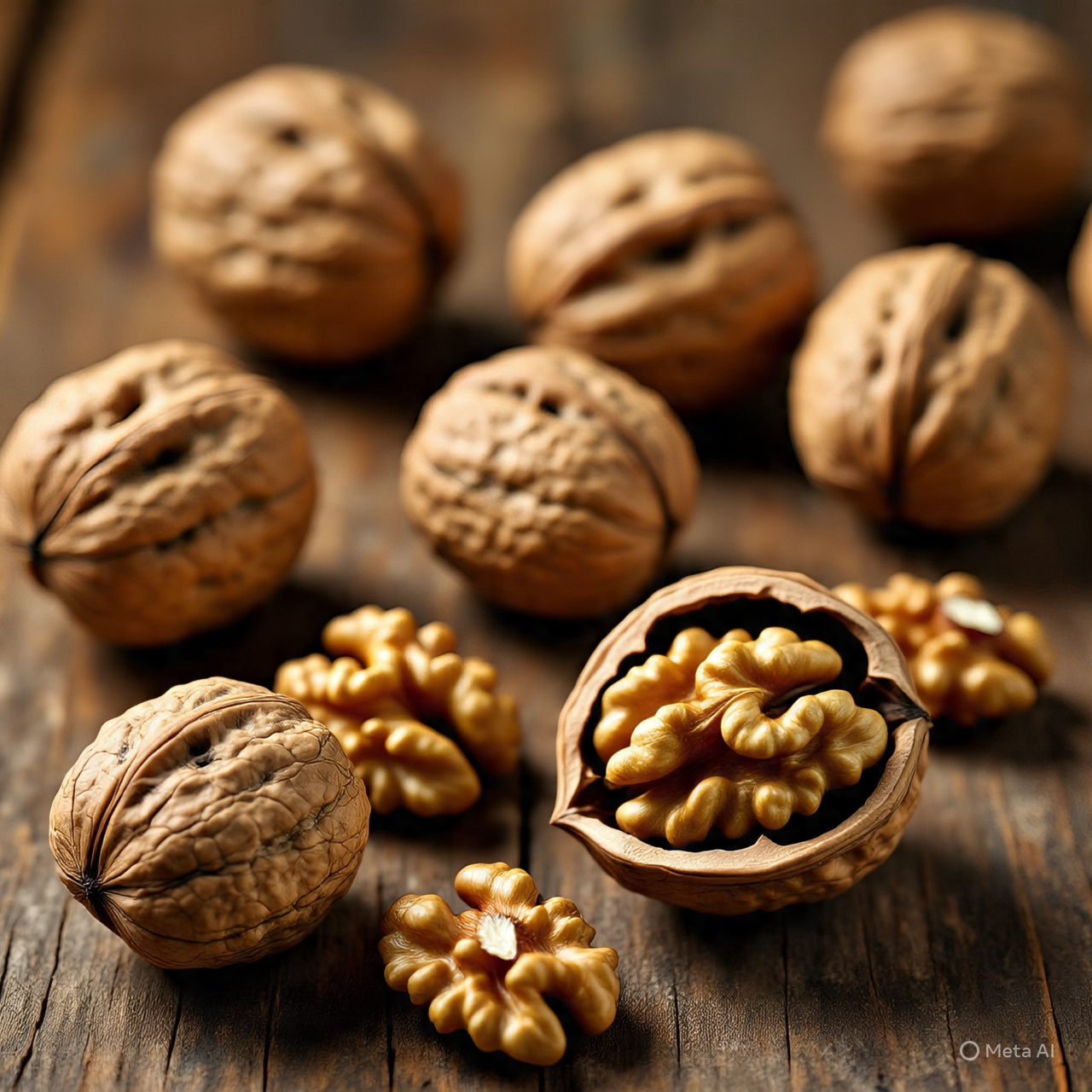
WALNUTS
Walnuts
- *Brain Food*: Walnuts are rich in omega-3 fatty acids and antioxidants, which can help improve cognitive function and memory.
- *Historical Significance*: Walnuts have been a prized nut for centuries, with ancient Greeks and Romans using them for their flavor and medicinal properties.
- *Shell Shock*: Walnut shells are incredibly hard and can be used for a variety of purposes, including as a polishing agent and a filler in cosmetics.
- *Walnuts are brain food*: Walnuts contain a compound called alpha-linolenic acid (ALA), which has been shown to improve cognitive function and reduce the risk of depression.
- *Walnuts are a good source of melatonin*: Walnuts are one of the few food sources of melatonin, a hormone that regulates sleep-wake cycles.
- *Walnut trees can live for centuries*: Walnut trees are known for their longevity, with some trees living for over 300 years.
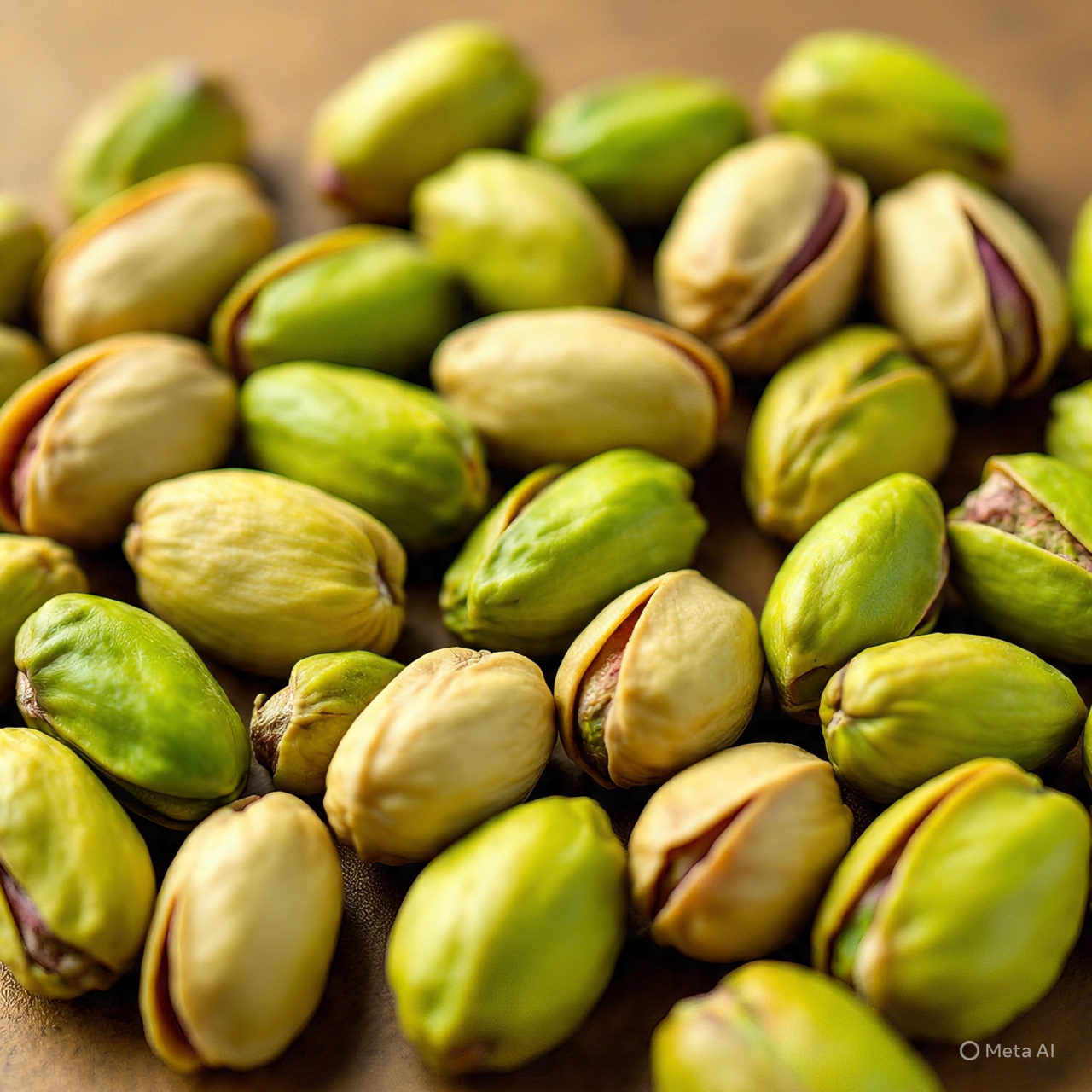
PISTACHIOS
Pistachios
- *Cracking Good*: Pistachios are one of the few nuts that are naturally split open, making them easy to snack on.
- *Nutty History*: Pistachios have been cultivated for over 3,000 years and were a favorite snack of the ancient Persians.
- *Green Machine*: Pistachios are a good source of vitamin B6, magnesium, and potassium, making them a nutritious addition to a healthy diet.
- *Pistachios are one of the oldest edible nuts*: Pistachios have been consumed for over 3,000 years, with evidence of pistachio cultivation dating back to ancient Mesopotamia.
- Pistachios are a good source of protein, making them a popular snack for athletes and fitness enthusiasts.
- *Pistachios can help with weight management*: Pistachios are low in calories and high in fiber, making them a satisfying snack that can help with weight management.
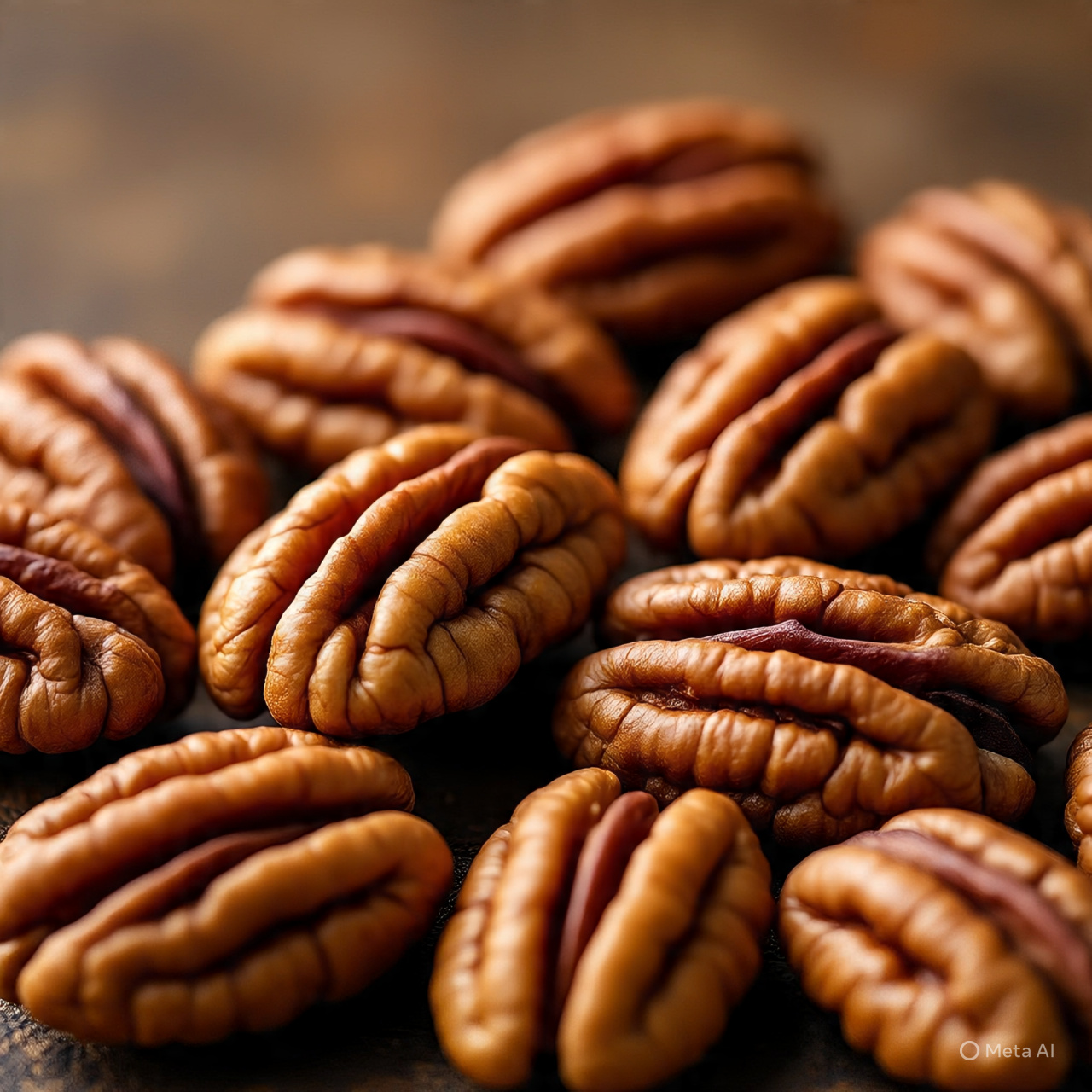
PECANS
Pecans
- *Native American Roots*: Pecans are native to North America and were a staple food for many Native American tribes.
- *Nutty Nutrition*: Pecans are rich in antioxidants, vitamin E, and healthy fats, making them a great addition to a healthy diet.
- *Tree-mendous*: Pecan trees can live for over 300 years and produce nuts for up to 200 years.
- *Pecans are a type of drupe*: Pecans are a type of fruit that belongs to the drupe family, which also includes peaches and plums.
- *Pecans are rich in antioxidants*: Pecans contain a high amount of antioxidants, which can help protect against cell damage and reduce inflammation.
- Pecans are a good source of zinc, an essential mineral that plays a crucial role in immune function and wound healing.
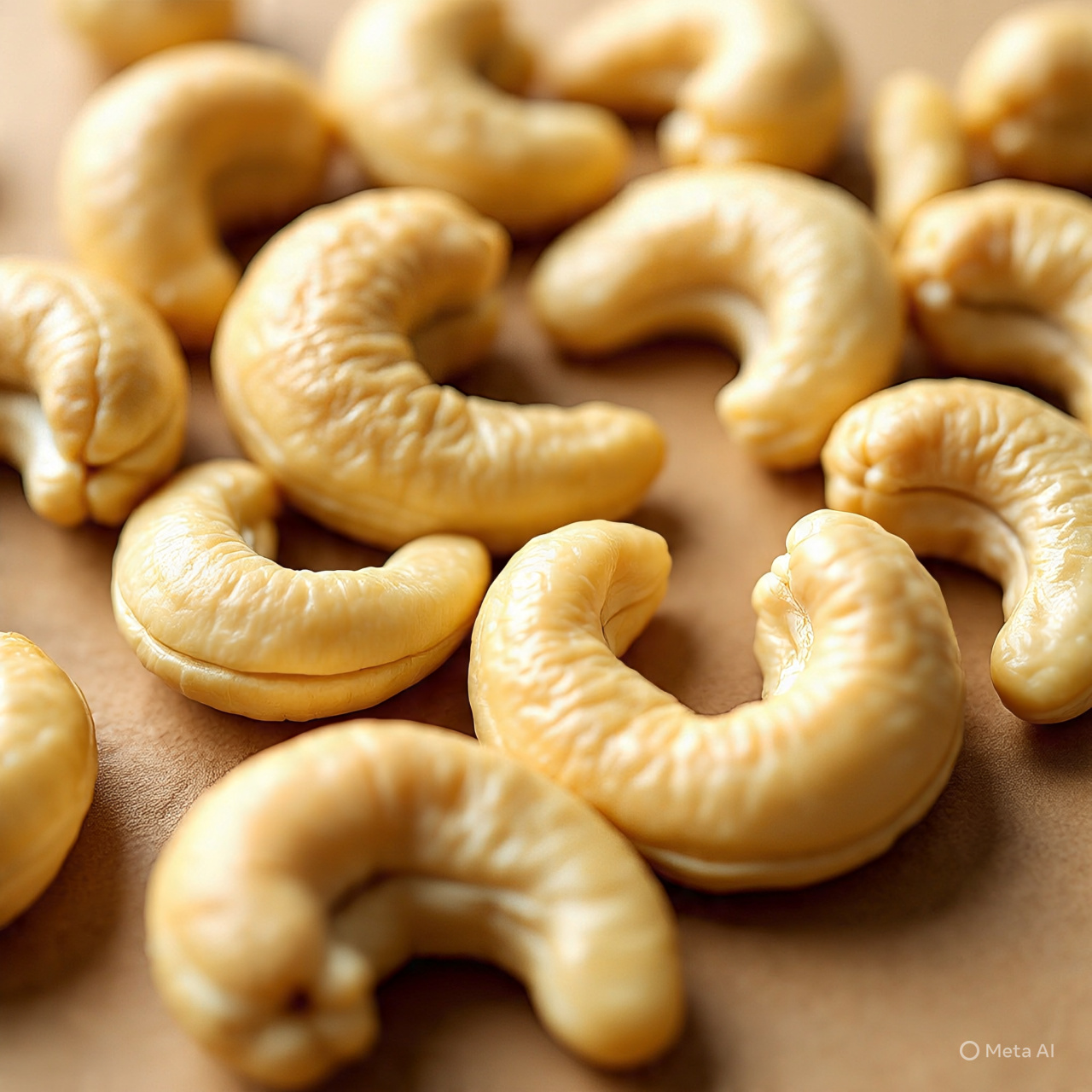
CASHEWS
Cashews
- *Shell Shock*: Cashew shells contain a resin that can cause skin irritation and allergic reactions, making it important to handle them carefully.
- *Tropical Treat*: Cashews are native to Brazil and are often associated with tropical climates and exotic flavors.
- *Nutty Nutrition*: Cashews are a good source of magnesium, copper, and zinc, making them a great addition to a healthy diet.
- *Cashews are a type of seed*: Cashews are actually the seed of a fruit called the cashew apple.
- Cashews are a good source of magnesium, an essential mineral that plays a crucial role in muscle and nerve function.
- *Cashews can help lower cholesterol*: Cashews are rich in monounsaturated fats, which can help lower LDL cholesterol and reduce the risk of heart disease.
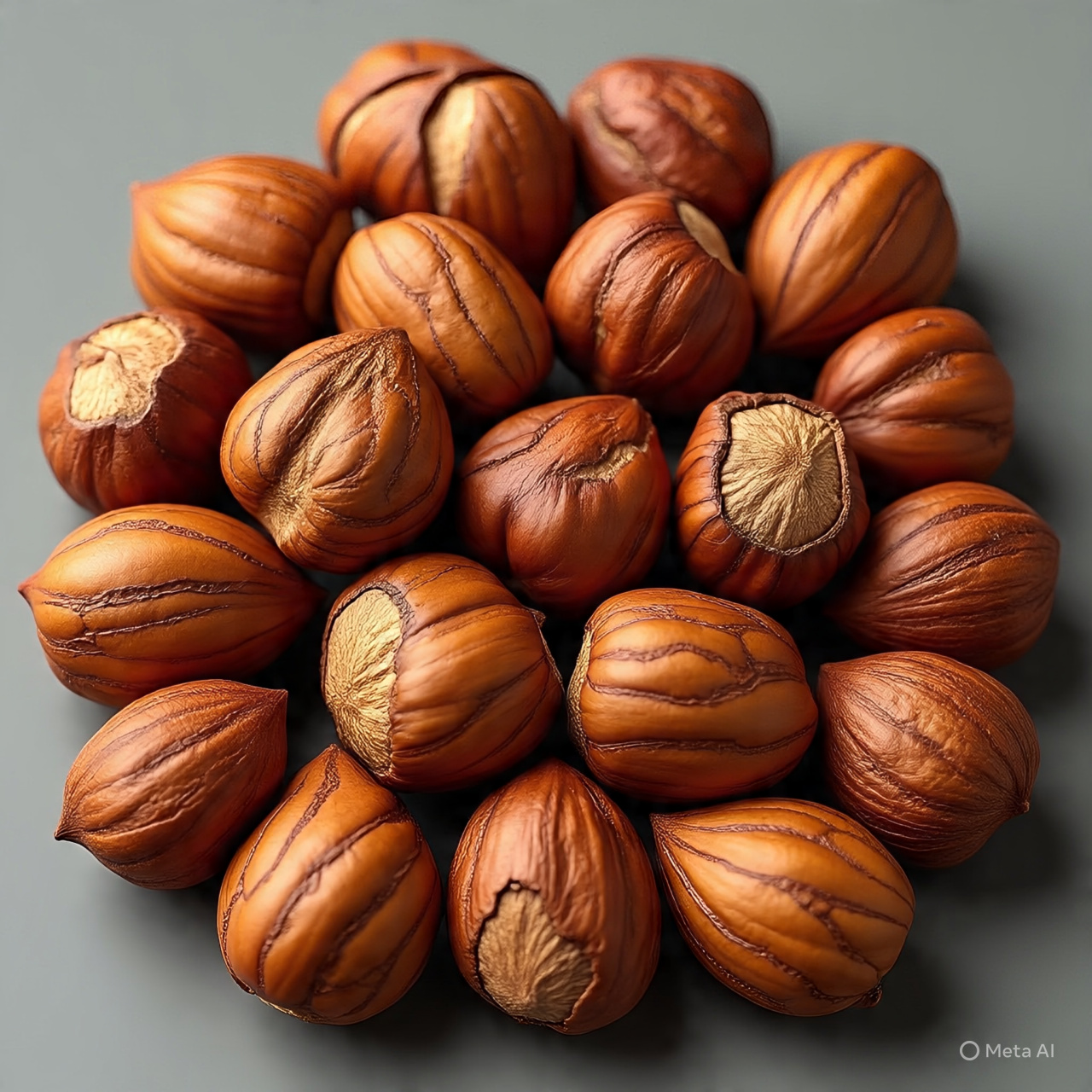
HAZELNUTS
Hazelnuts
- *Filbert Frenzy*: Hazelnuts are also known as filberts and are a popular ingredient in many baked goods and desserts.
- *Nutty Flavor*: Hazelnuts have a rich, nutty flavor that is often associated with chocolate and coffee.
- *Cultural Significance*: Hazelnuts have been a symbol of fertility and abundance in many cultures, including ancient Celtic and Norse traditions.
- Hazelnuts are a good source of vitamin E, an antioxidant that helps protect against cell damage.
- *Hazelnuts have been used for centuries in traditional medicine*: Hazelnuts have been used for centuries in traditional medicine to treat a variety of ailments, including fever and rheumatism.

MACADAMIAS
Macadamia Nuts
- *Aussie Favorite*: Macadamia nuts are native to Australia and are often associated with tropical climates and exotic flavors.
- *Nutty Nutrition*: Macadamia nuts are rich in healthy fats, protein, and fiber, making them a great addition to a healthy diet.
- *Shell-abration*: Macadamia nut shells are incredibly hard and can be used as a natural abrasive or decorative element.
- *Macadamia nuts are one of the most expensive nuts in the world*: Macadamia nuts are one of the most expensive nuts in the world due to the difficulty of cultivating them.
- Macadamia nuts are rich in healthy fats, including monounsaturated and polyunsaturated fats.
- *Macadamia nuts can help lower cholesterol*: Macadamia nuts have been shown to help lower LDL cholesterol and reduce the risk of heart disease.